









Barbara Bako, Bangkok.
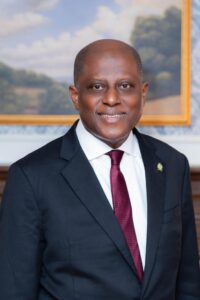
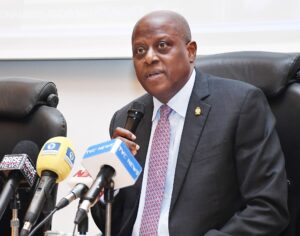
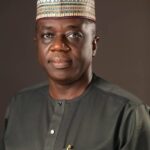
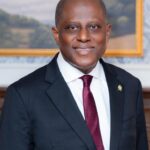
Nigeria’s monthly diaspora remittances rose from $200 million to $950 million following reforms to remove barriers to foreign exchange inflows, Central Bank of Nigeria (CBN) Governor Olayemi Cardoso has said.
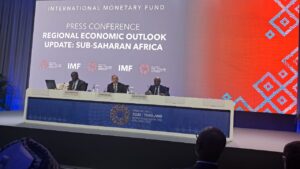
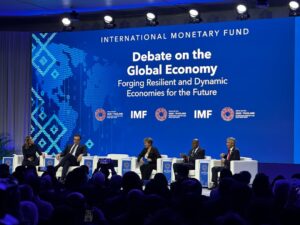
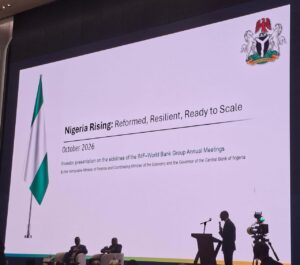
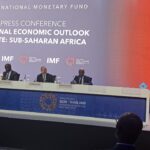
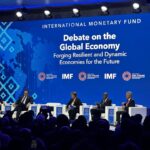
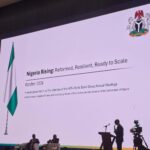
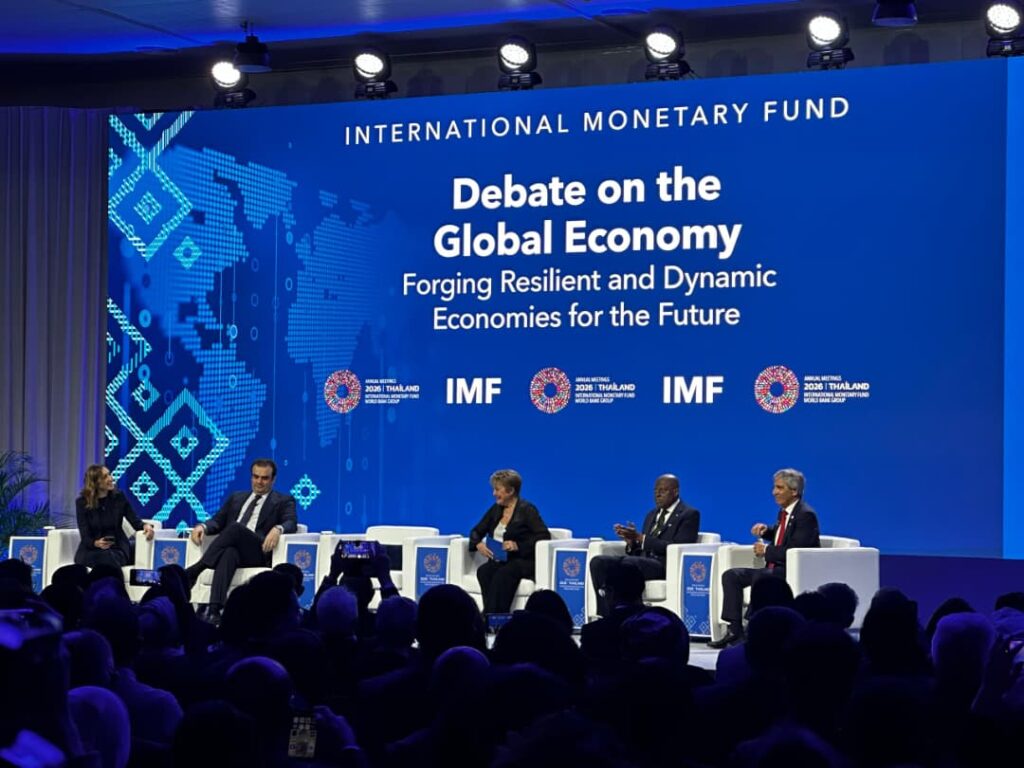
Cardoso disclosed this at a session of the IMF-World Bank Group Annual Meetings in Bangkok, Thailand, where he highlighted efforts to diversify Nigeria’s foreign exchange earnings beyond crude oil and strengthen investor confidence.
He said the country initially targeted doubling monthly remittances from $200 million before the end of the first year of its reform initiative, but inflows exceeded expectations, reaching $600 million monthly by the end of the year.
The CBN subsequently set a target of $1 billion in monthly remittances for 2026, with inflows reaching about $950 million by July, he said.
“When we understood the problems, we were very quick to ensure that we were removing all the bottlenecks in the way of ensuring that capital flowed,” Cardoso said.
He attributed the progress to measures aimed at improving digital channels, addressing outdated practices and making it easier for Nigerians in the diaspora to send money home through formal channels.
Cardoso said the CBN established a committee, which he chaired, to coordinate the initiative and ensure that banks were involved in implementing the necessary changes.
He described the experience as evidence that targeted reforms and innovative approaches could unlock new sources of foreign exchange, even when the prospects initially appeared unlikely.
The governor said Nigeria’s economic crisis had compelled policymakers to rethink the country’s approach to foreign exchange generation, particularly as declining external reserves and substantial foreign exchange obligations placed pressure on the economy.
He disclosed that Nigeria’s net external reserves had fallen to about $3 billion at one point, while the country faced more than $7 billion in foreign exchange-related obligations.
Cardoso said the country responded with orthodox monetary policies and other reforms that helped stabilise the economy, settle outstanding obligations and attract investment.
He stressed that dependence on oil revenues was not sustainable, particularly given the production challenges that had limited Nigeria’s ability to generate adequate earnings from crude exports.
The CBN governor said the country was therefore exploring alternative sources of foreign exchange while encouraging greater domestic value addition in the oil sector.
He cited the Dangote refinery as an important development that could help reduce Nigeria’s dependence on imported refined petroleum products and retain more economic value within the country.
Rather than exporting crude oil and importing refined products, domestic refining offered opportunities to strengthen the economy and support diversification, he said.
Cardoso also urged Nigeria to sustain its economic reforms, saying the country’s return to international financial market indices and improvements in its credit ratings reflected renewed investor confidence.
“We need to stay that course, and we need to be able to show the world that it is possible, and that things have changed,” he said.
He added that Nigeria, as a major African economy with a large population, had a responsibility to demonstrate that consistent policies and measurable results could help attract investment and support broader economic growth across the continent.
Separately, Thailand’s Deputy Prime Minister and Finance Minister Ekniti Nitithanprapas highlighted the importance of diversifying economic activity and using foreign investment to strengthen local productive capacity.
Ekniti said Thailand was attracting investment into emerging sectors, including artificial intelligence, smart electronics and electric vehicles, while linking foreign investors with local businesses and workers through skills-development initiatives.
He said Thailand’s Skill Bridge programme was designed to transfer knowledge, improve workers’ capabilities and integrate small and medium-sized enterprises into the supply chains of investing companies.
The Thai minister also stressed the need to remove bureaucratic obstacles to investment, saying private investment had grown by more than 10 per cent for two consecutive quarters.
Good production costs money and you can support what we do. Please find our details below👇🏾👇🏾👇🏾 Account name: MARKET ONLINE MEDIA Bank: UBA Acc No: 1026401930.