









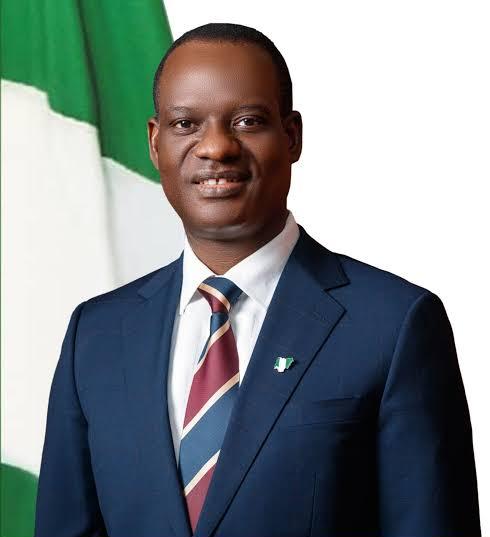
Barbara Bako, Abuja.
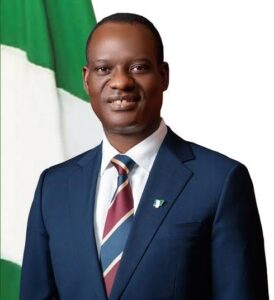
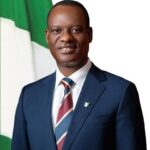
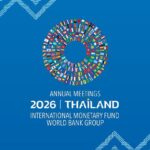
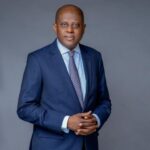
Nigeria’s Minister of Finance and Coordinating Minister of the Economy, Mr Taiwo Oyedele, is leading the country’s delegation to the 2026 Annual Meetings of the International Monetary Fund (IMF) and the World Bank in Bangkok, Thailand.
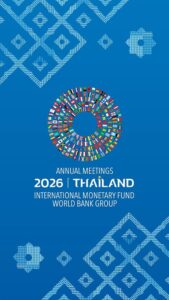
The meetings, scheduled for Oct. 12 to Oct. 18, will bring together delegations from more than 190 countries to deliberate on global economic developments, financial stability and strategies for promoting sustainable and inclusive growth.
The News Agency of Nigeria (NAN) reports that Nigeria’s delegation comprises chief executives of financial institutions, private-sector representatives, Civil Society Organisations, Non-Governmental Organisations and other stakeholders.
The annual meetings provide a platform for policymakers, financial experts and development partners to assess the state of the global economy, examine emerging economic risks and develop strategies to address challenges confronting member countries.
Key issues expected to feature prominently include the global economic outlook, financial stability, poverty reduction and reforms to the international financial architecture to better support developing economies.
The discussions will also examine measures to strengthen economic resilience, mitigate the effects of global economic shocks and promote sustainable development, including responses to the economic consequences of climate change.
As part of the meetings, the IMF is expected to release its World Economic Outlook and Global Financial Stability Report.
The World Economic Outlook provides analysis and projections of global and national economic trends, while the Global Financial Stability Report assesses risks and vulnerabilities within the international financial system.
The reports are expected to inform discussions on the challenges facing the global economy and the policy measures required to sustain growth and strengthen financial systems.
The meetings will also provide opportunities for bilateral consultations between the IMF and its member countries on economic policies, financing needs and measures to address balance-of-payments difficulties.
The IMF and the World Bank, commonly known as the Bretton Woods institutions, were established in 1944 to support international economic cooperation and post-war reconstruction.
Although both institutions work to promote economic stability and development, they have distinct mandates.
The IMF focuses on maintaining the stability of the international monetary system through economic surveillance, financial assistance and policy advice.
It monitors economic developments in its 190 member countries and provides loans to countries experiencing balance-of-payments problems.
The World Bank, on the other hand, concentrates on poverty reduction and long-term development, providing financing, technical assistance and policy advice for projects and programmes aimed at improving living standards in developing countries.
The 2026 meetings come amid continuing global economic uncertainties, reinforcing the importance of international cooperation and coordinated policy responses to support financial stability, inclusive growth and sustainable development.
Good production costs money and you can support what we do. Please find our details below👇🏾👇🏾👇🏾 Account name: MARKET ONLINE MEDIA Bank: UBA Acc No: 1026401930.