









Barbara Bako, Abuja.
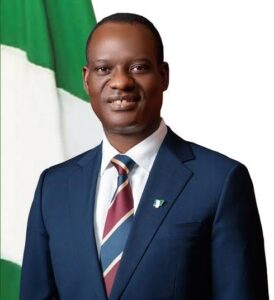
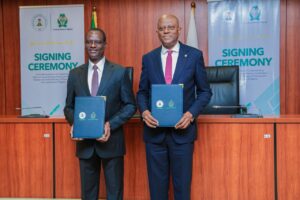
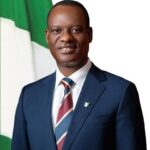
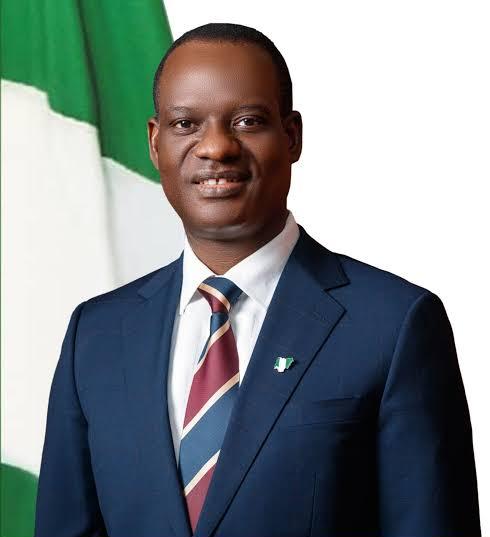
Minister of Finance and Coordinating Minister of the Economy, Mr. Taiwo Oyedele, has disclosed that the Federal Government will soon publish a detailed account of savings from the removal of fuel and foreign exchange subsidies, while also unveiling a framework to reduce the cost of capital for businesses without introducing new subsidies.
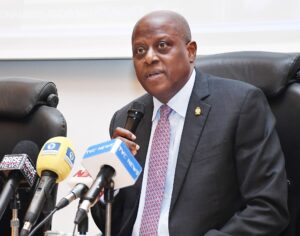
Speaking on Thursday at the 7th Africa Emerging Markets Forum in Abuja, Oyedele said the government recognised public concerns over the utilisation of subsidy savings and was committed to greater transparency in managing public finances.
“There was a question about the subsidy savings. Where has it gone to? I’ve heard this question so many times, and guess what? It’s a valid question,” he said.
He explained that although the removal of fuel and foreign exchange subsidies generated fiscal savings equivalent to about five per cent of Gross Domestic Product (GDP), eliminating economic distortions and corruption not merely saving money was the primary objective of the reforms.
“In a few days, you will see the detailed analysis because we believe that we owe a duty to explain what we do to the Nigerian people. That’s what transparency looks like,” he said.
According to the minister, a significant portion of the savings has gone into servicing government debt following the end of monetary financing, funding the increase in the national minimum wage from N30,000 to N70,000, supporting the Nigerian Education Loan Fund (NELFUND), and financing other priority social programmes.
Oyedele also announced that the Ministry of Finance is developing a framework to lower borrowing costs for businesses while complementing the Central Bank of Nigeria’s efforts to tame inflation.
He said the initiative seeks to improve access to affordable financing for the real sector without resorting to subsidies.
“There is the high cost of borrowing in an economy where you need growth to deliver results from reforms. Within the Ministry of Finance, we are working on a framework on how to bring down the cost of capital without introducing subsidies,” he said.
The minister stressed that closer coordination between fiscal and monetary authorities would remain critical to sustaining macroeconomic stability, noting that both institutions had begun aligning their economic assumptions before formulating policies.
Highlighting the administration’s reform agenda over the past three years, Oyedele said the government had unified the foreign exchange market, removed unsustainable subsidies, simplified the tax system and introduced measures to improve Nigeria’s investment climate.
He said the reforms were already yielding results, citing stronger capital inflows, foreign reserves above $50 billion, declining inflation from its 2024 peak, improved GDP growth, increased non-oil sector performance and the successful recapitalisation of Nigerian banks.
According to him, Nigeria’s focus has now shifted from stabilising the economy to accelerating growth and ensuring that the benefits of reforms translate into improved living standards.
“Our task now is converting that stability into investment, investment into productivity, productivity into decent jobs, and decent jobs into incomes that Nigerian families can actually feel,” he said.
The minister reiterated the government’s ambition of building a $1 trillion economy by 2030, describing the target as achievable through sustained reforms, disciplined fiscal management and increased private sector investment.
He also challenged the World Bank’s assessment that reforms had worsened poverty, arguing that while the initial adjustment inevitably reduced household incomes, recent data indicated improvements in real per capita income, which he said positioned Nigeria among the fastest countries in reducing poverty.
Oyedele said the government would measure its economic performance using indicators such as multidimensional poverty, real per capita income growth and incom
Good production costs money and you can support what we do. Please find our details below👇🏾👇🏾👇🏾 Account name: MARKET ONLINE MEDIA Bank: UBA Acc No: 1026401930.