









Barbara Bako, Abuja.
The Federal Government has said Nigeria’s economic reforms are yielding results, citing the International Monetary Fund’s (IMF) latest assessment as evidence that measures introduced over the past three years are strengthening the country’s economic fundamentals.
Reacting to the IMF’s 2026 Article IV Mission Concluding Statement, the government said the report recognised improvements in macroeconomic stability, foreign exchange management, fiscal reforms and the resilience of the financial sector despite persistent global economic uncertainties.
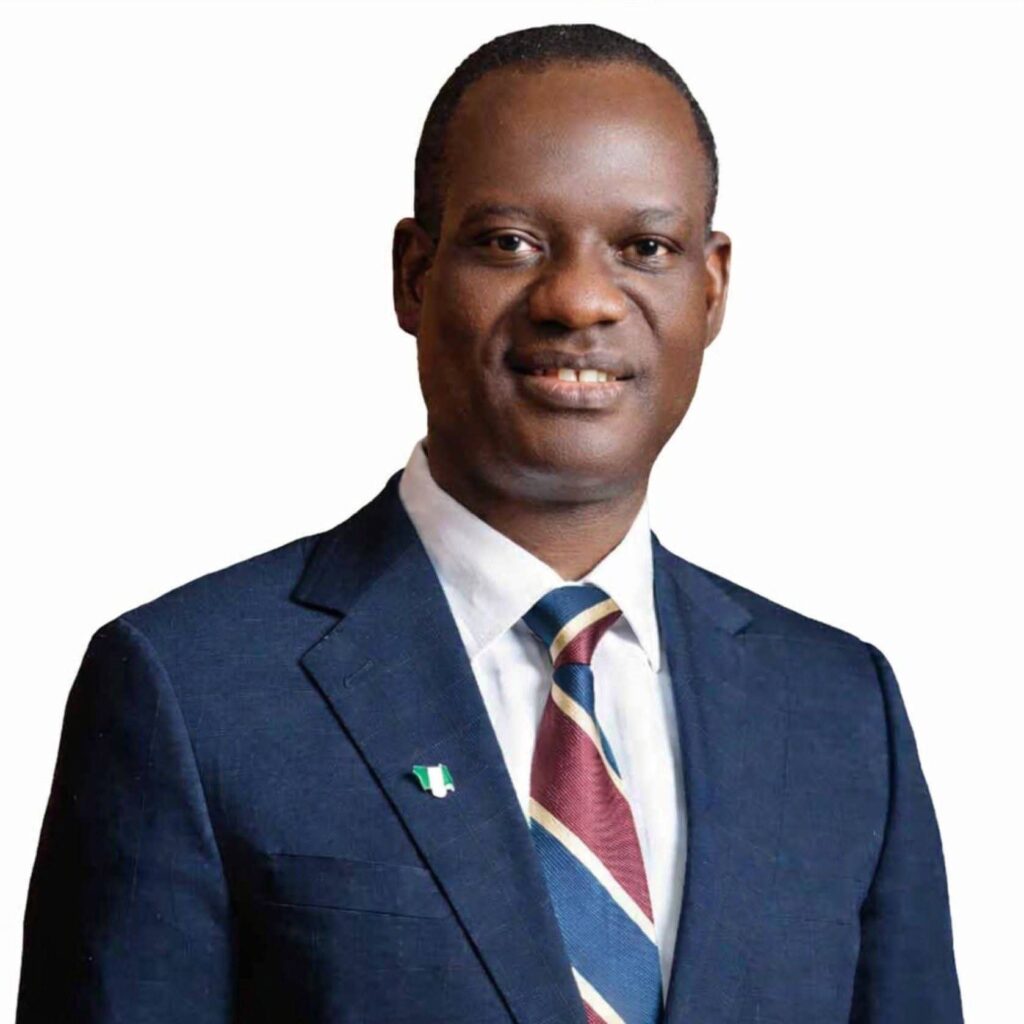
In a statement issued on Tuesday, Minister of Finance and Coordinating Minister of the Economy, Taiwo Oyedele, said the IMF’s findings confirmed that policy decisions taken by the Tinubu administration were helping to restore confidence in the economy and improve its capacity to absorb external shocks.
According to the government, the IMF acknowledged that the removal of fuel subsidies, foreign exchange reforms, tighter fiscal controls and the discontinuation of deficit financing by the Central Bank had contributed to stronger economic buffers and reduced vulnerabilities.
The government noted that the global economic environment remains challenging, particularly following renewed tensions in the Middle East, which have driven up energy costs and heightened inflation risks across many countries.
Nevertheless, it said Nigeria has maintained relative stability, with the IMF highlighting the country’s ability to withstand recent external pressures without significant disruptions to investor confidence or financial markets.
The statement added that higher international oil prices could create opportunities for Nigeria through increased export earnings and stronger government revenues, provided efforts to raise crude oil production and expand energy infrastructure are sustained.
The government said it remains focused on boosting domestic refining, expanding gas production and attracting investments capable of strengthening the energy sector and supporting long-term economic growth.
Despite the positive outlook, the administration acknowledged that poverty and food insecurity continue to affect millions of Nigerians.
It said ongoing reforms are being complemented by social intervention programmes targeted at vulnerable households, students and small businesses. These include direct cash transfers, student loans, consumer credit schemes and investments in healthcare and livelihood support.
The government also pointed to increased spending on agriculture through the Renewed Hope National Agricultural Mechanisation Programme and related initiatives aimed at improving food production, expanding irrigation and supporting farmers with access to inputs and financing.
On fiscal management, the administration said progress has been recorded in revenue mobilisation, implementation of tax reforms and the digitisation of government revenue collection processes.
It further pledged to strengthen fiscal reporting and transparency measures in line with recommendations contained in the IMF report.
The government expressed optimism about Nigeria’s medium-term economic prospects, noting that the IMF projects growth above four per cent, rising investments, stronger external reserves and improved fiscal revenues in the coming years.
It added that recent upgrades to Nigeria’s sovereign credit ratings and a decline in public debt relative to GDP reflect growing confidence in the country’s reform agenda.
The Federal Government reiterated its commitment to sustaining economic reforms and ensuring that gains from macroeconomic stability translate into improved living conditions, employment opportunities and higher incomes for citizens.
Good production costs money and you can support what we do. Please find our details below👇🏾👇🏾👇🏾 Account name: MARKET ONLINE MEDIA Bank: UBA Acc No: 1026401930.