









Barbara Bako, Abuja.
The Centre for Social Justice (CSJ) has questioned the Federal Government’s decision to grant customs duty waivers valued at N34 trillion in 2025, arguing that the amount exceeded the Federal Government’s total retained revenue for the year and raises serious concerns about fiscal responsibility.
The civil society organisation said the Federal Government recorded a consolidated revenue of N28.23 trillion in 2025, falling short of its N36.35 trillion target, while the Nigeria Customs Service (NCS) disclosed that it implemented N34 trillion worth of customs duty waivers during the same period.
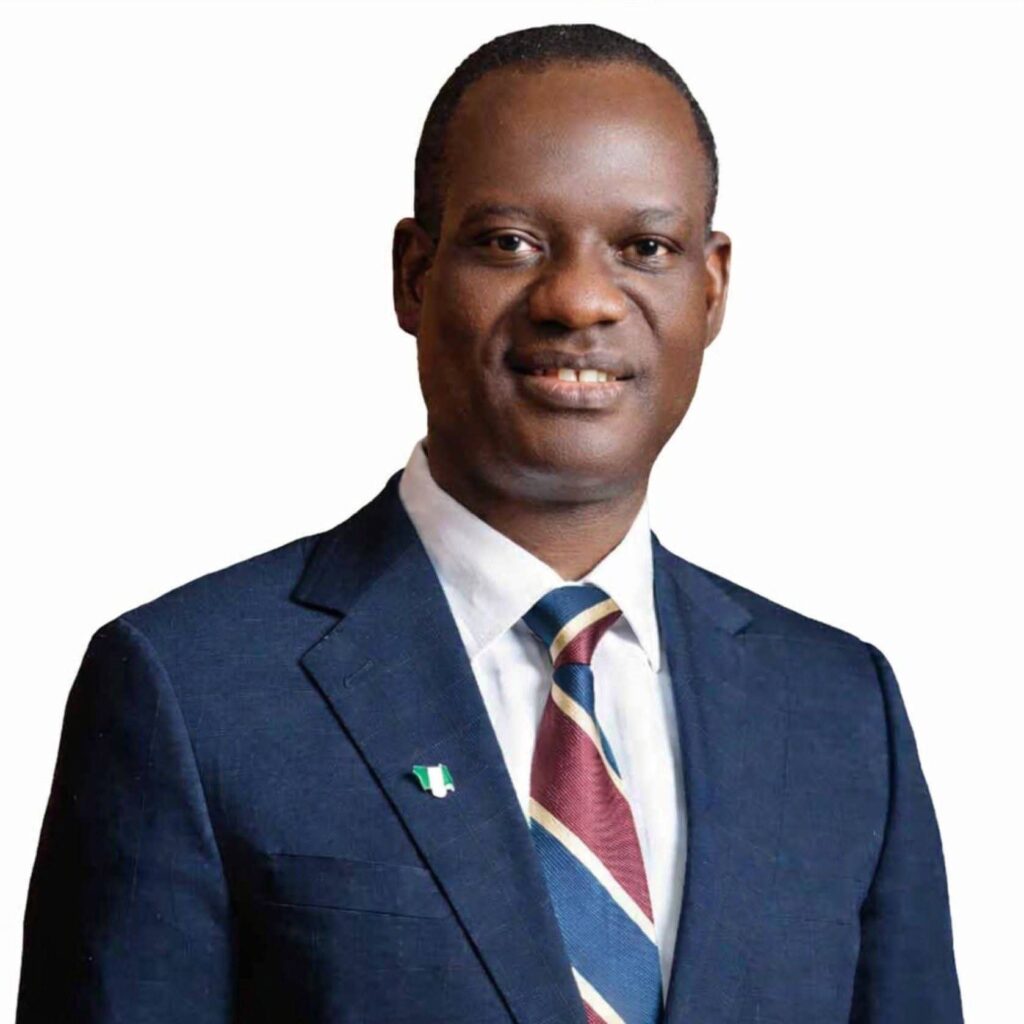
In a statement issued on Friday by its Lead Director, Eze Onyekpere, the organisation described the development as troubling, particularly at a time when Nigeria continues to grapple with widening budget deficits and rising public debt.
CSJ recalled that the NCS, while appearing before the House of Representatives Committee on Finance, clarified that it does not approve duty waivers but merely implements approvals granted by the Minister of Finance in line with existing laws.
It noted that lawmakers had requested a detailed breakdown of the beneficiaries, legal basis and objectives of the waivers.
The organisation argued that customs duty waivers form part of the country’s broader tax expenditure regime, which also includes tax holidays and exemptions granted to attract investments into critical sectors.
It added that the total value of tax expenditures for 2025 would likely exceed the N34 trillion customs duty waiver figure.
According to CSJ, the scale of the waivers raises fundamental questions about fiscal governance, especially as the value of the concessions surpassed the Federal Government’s actual revenue.
It also alleged that the waivers did not comply with the provisions of Section 29(1) of the Fiscal Responsibility Act (FRA), which requires any proposed tax expenditure to be accompanied by an assessment of its budgetary and financial implications, as well as countervailing revenue measures where necessary.
The group questioned whether the required evaluations were conducted, whether they were submitted to the National Assembly, and whether the Minister of Finance documented revenue-enhancing measures to offset the impact of the waivers.
CSJ further noted that the Nigerian Tax Policy 2017 requires government to quantify revenue forgone through tax incentives against the benefits derived and publish annual reports on such assessments.
It said there has been little evidence that these reporting requirements have been met.
The organisation maintained that Nigeria’s tax expenditure regime had been “mismanaged and abused,” warning that continued discretionary waivers amid persistent borrowing undermine prudent fiscal management.
As part of its recommendations, CSJ urged the National Assembly to amend relevant laws to ensure that total tax expenditures do not exceed 10 per cent of the Federal Government’s actual revenue in the preceding financial year.
It also called for all proposed tax expenditures to be presented alongside the annual Appropriation Bill for legislative approval and urged lawmakers to strengthen oversight to ensure full compliance with the Fiscal Responsibility Act.
Good production costs money and you can support what we do. Please find our details below👇🏾👇🏾👇🏾 Account name: MARKET ONLINE MEDIA Bank: UBA Acc No: 1026401930.