









Barbara Bako, Abuja.
The Federal Government says the removal of fuel subsidy generated N15.8 trillion in savings for the Federation between June 2023 and December 2025, with states and local governments receiving N10.4 trillion of the proceeds.
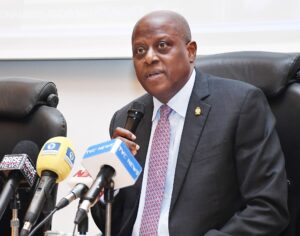
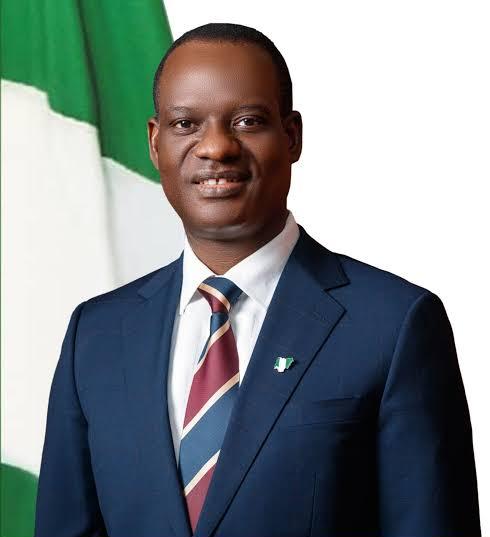
Minister of Finance and Coordinating Minister of the Economy, Prof. Taiwo Oyedele, disclosed this on Wednesday in Abuja while presenting the government’s Nigeria Reform Scorecard, detailing the benefits, costs and potential harms prevented by the economic reforms.
Oyedele said N5.4 trillion of the subsidy savings accrued to the Federal Government, while the remaining N10.4 trillion was shared among states and local governments.
He said the Federal Government also generated N3.1 trillion in incremental independent revenue and raised N11.9 trillion through additional borrowing, bringing its incremental resources during the period to N20.4 trillion.
According to him, the resources helped fund N30.64 trillion in additional expenditure, including N9.39 trillion for wage adjustments, minimum wage increases and allowances, N9.37 trillion for external debt service and N6.5 trillion for strategic infrastructure.
Oyedele said the reforms had also significantly strengthened Nigeria’s external position, with gross foreign reserves rising from about $35 billion in May 2023 to $52.5 billion, while net reserves increased from roughly $3 billion to $34.8 billion.
He said headline inflation had eased from 22.41 per cent in May 2023 to 15.91 per cent in June 2026, while real GDP growth improved from 2.31 per cent to 3.89 per cent.
The minister further disclosed that 27 states that struggled to reliably pay salaries in May 2023 can now meet their obligations, adding that government estimates showed at least 30 states could have faced a similar crisis had the reforms not been implemented.
He said the official exchange-rate premium over the parallel market had also fallen from above 60 per cent to below five per cent, compared with a projected premium of more than 150 per cent under a no-reform scenario.
But Oyedele acknowledged that the reforms had imposed heavy costs on Nigerians, particularly through higher fuel prices and interest rates.
“The Monetary Policy Rate has risen from 18.5 per cent to 26.5 per cent; we record that plainly as the cost of stabilisation, not a hidden win,” he said.
He added that petrol prices had risen from about N185 per litre to between N1,100 and N1,400, while food inflation, although declining, remained a concern.
“A scorecard that only lists wins is not a scorecard – it is a campaign leaflet, and we did not come here to give you one,” Oyedele said.
He classified poverty and household welfare as “unfinished business”, saying the next phase of the reforms would focus on expanding cash transfers, strengthening agricultural interventions and translating macroeconomic gains into tangible improvements in household welfare.
Minister of Budget and Economic Planning, Senator Abubakar Bagudu, said the reforms must also be viewed against Nigeria’s historically low revenue-to-GDP ratio and limited fiscal capacity.
He said the government had chosen to confront structural weaknesses in the economy, including fuel and foreign exchange subsidies, while increasing investments in security, food security, human capital and infrastructure.
Bagudu also urged Nigerians to demand accountability from states and local governments over the increased revenues they now receive, stressing that the Federal Government could not constitutionally dictate how the other tiers of government spend their allocations.
Meanwhile, the Director-General of the Debt Management Office, Patience Oniha, defended the government’s financing arrangements, saying the objective was to diversify Nigeria’s funding sources and secure more favourable terms.
“For each of those loans, based on the provisions of the laws, the Fiscal Responsibility Act and the Debt Management Office Act, the terms and conditions are presented to the Federal Executive Council as well as the National Assembly,” Oniha said.
She said actual loan drawdowns would be captured in Nigeria’s quarterly public debt data, maintaining that the financing arrangements were subject to the required approval and disclosure processes.
The government said it would continue with the reforms while prioritising measures to reduce inflation, improve revenue mobilisation and ensure that the gains from macroeconomic stabilisation translate into better living conditions for Nigerians.
Good production costs money and you can support what we do. Please find our details below👇🏾👇🏾👇🏾 Account name: MARKET ONLINE MEDIA Bank: UBA Acc No: 1026401930.