









Barbara Bako, Abuja.
The Central Bank of Nigeria (CBN) has challenged banks to translate the gains from the recently concluded recapitalisation exercise into increased financing of productive activities and stronger resilience across the financial system.
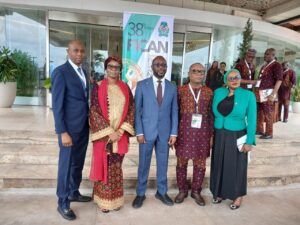
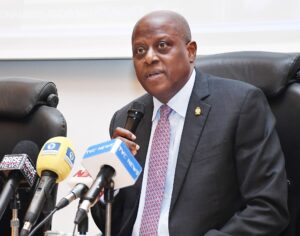
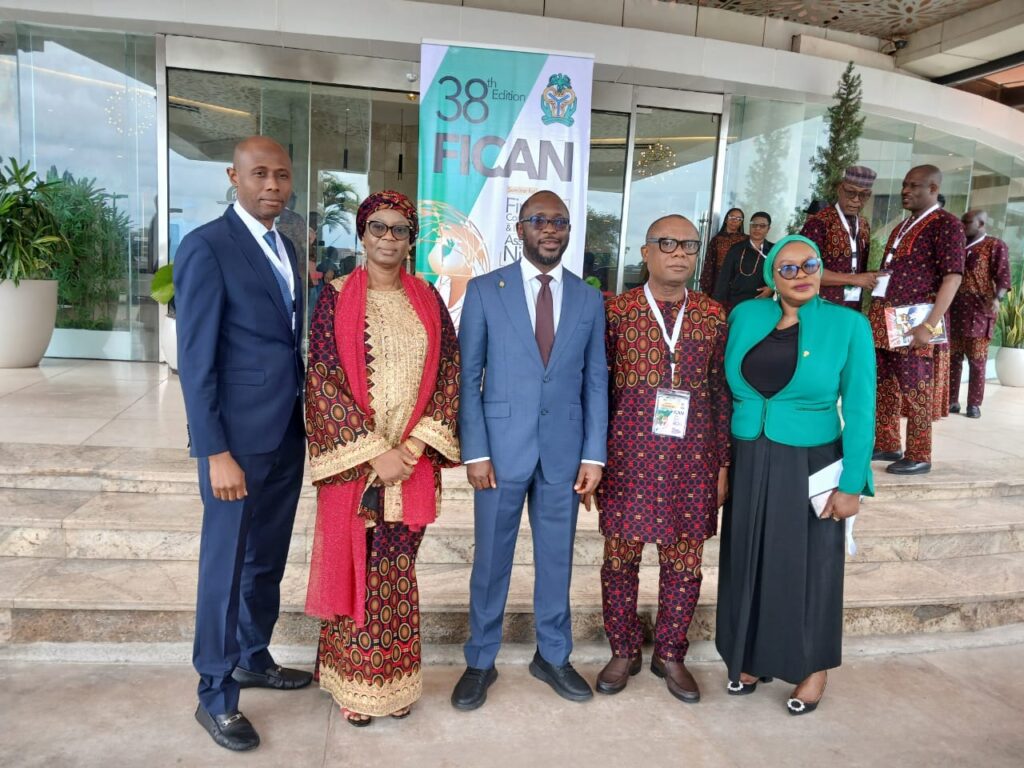
CBN Deputy Governor, Corporate Services, Dr. Muhammad Sani Abdullahi, stated this on Tuesday at the 38th Seminar for Finance Correspondents and Business Editors, organised around the theme, “Towards a Robust and Resilient Financial System in the Post-Banking Sector Recapitalisation Era.”
Abdullahi said the focus of the banking sector had now shifted from raising capital to ensuring that the additional capital strengthens banks’ ability to finance economic growth, withstand shocks and provide better services to customers.
According to him, 33 banks met the revised minimum capital requirements by the end of the two-year recapitalisation programme, raising a total of N4.65 trillion.
He said stronger bank capital would be critical to Nigeria’s ambition of building a $1 trillion economy by 2030, particularly by expanding financing for infrastructure, industrial development, agriculture, manufacturing and services.
The Deputy Governor, however, stressed that capital alone would not guarantee a resilient banking system, noting that stronger balance sheets must be supported by sound corporate governance, effective risk management and robust internal controls.
He said banks must strengthen their capacity to manage credit, market, liquidity and operational risks, while paying greater attention to cybersecurity, third-party dependencies and other emerging threats.
“A stronger balance sheet must be matched by stronger management of risk,” Abdullahi said.
He also disclosed that the gap between Nigeria’s official and parallel foreign exchange markets had narrowed significantly, falling from 68.2 per cent in January-May 2023 to less than two per cent, which he said provides businesses with a more reliable basis for pricing and planning.
The CBN Deputy Governor further stated that the country’s gross external reserves had risen to $55.6 billion as of September 11, 2026, while inflation had moderated to 15.43 per cent in July 2026, after reaching 34.8 per cent in December 2024.
Abdullahi said the improvements followed a combination of monetary policy measures, increased foreign exchange supply, oil receipts, remittances and changing global financial conditions, but cautioned that the gains must be sustained.
He said the ultimate test of recapitalisation would be whether stronger banks could provide financing that supports the real economy and expands access to financial services.
“We should assess recapitalisation by the quality of banking services and productive lending inputs, as well as the amount of capital that has been raised,” he said.
He urged banks to ensure that the benefits of the exercise extend beyond existing formal sector customers to rural communities, women and young entrepreneurs, stressing that financial inclusion and consumer protection were central to building a resilient financial system.
Earlier, the Director, Corporate Communications and Investor Relations Department, CBN, Mr. Michael Chukwuemeka Akuka, said the banking sector had entered a new phase following the recapitalisation exercise.
Akuka said the central question was no longer whether banks could raise the required capital, but what they would do with the additional capital.
“The question has changed. It is no longer whether the banking sector can raise capital, but what a better capitalized banking sector does with the additional capital that has been raised, and whether stronger balance sheets translate into a financial system that can block shops, finance real economic activities, and maintain the confidence of the Nigerian people,” he said.
He urged finance correspondents and business editors participating in the seminar to go beyond headlines and seek the context behind monetary and financial-sector developments.
“Go past the headline, ask follow-up questions. You can ask the second question, the third, the fourth, and as many as you need to ask,” Akuka said.
In her welcome address, the Director, Stakeholder Engagement and Institutional Relations Department, CBN, Mrs. Hakama Sidi Ali, thanked the financial press for its contribution to improving communication between the apex bank and the public.
Sidi Ali, who previously served in the CBN’s communications function, said the media had played an important role in the bank’s communication efforts and urged journalists to extend the same support to the new Director of Corporate Communications and Investor Relations.
She said the media remained a strategic stakeholder in the CBN’s engagement with the public.
The seminar is expected to examine the implications of the recapitalisation exercise for banking sector stability, monetary policy, economic financing, regulation and the broader Nigerian economy.
Good production costs money and you can support what we do. Please find our details below👇🏾👇🏾👇🏾 Account name: MARKET ONLINE MEDIA Bank: UBA Acc No: 1026401930.