









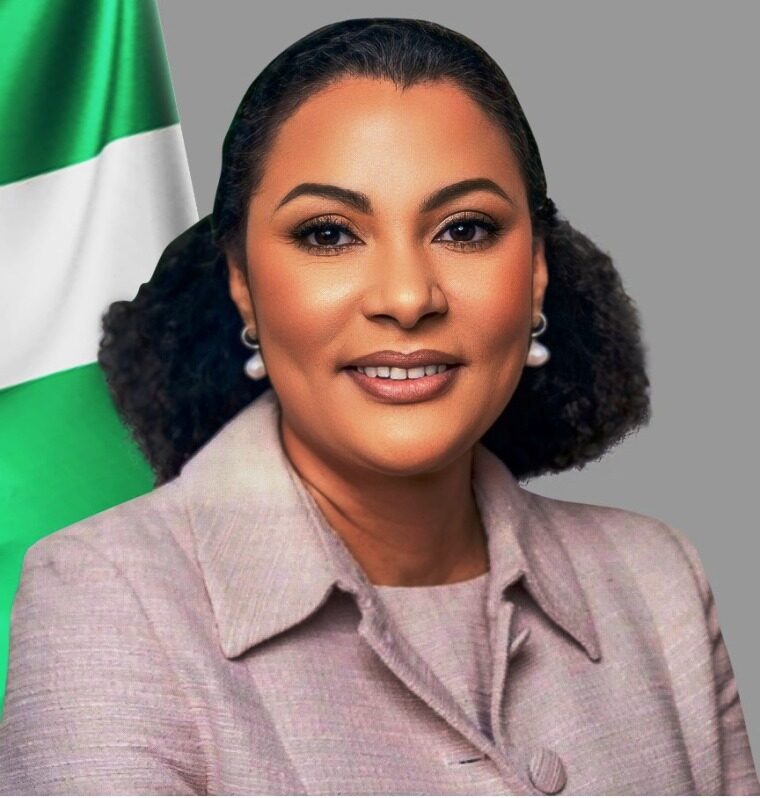
The Federal Government has outlined a rigorous roadmap to transition Nigeria into a $1 trillion economy, asserting that the target is a “specific, measurable decision” rather than a mere political slogan.
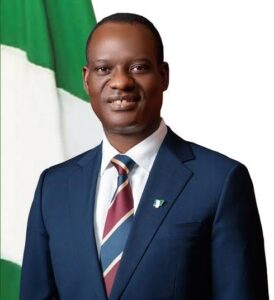
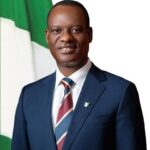
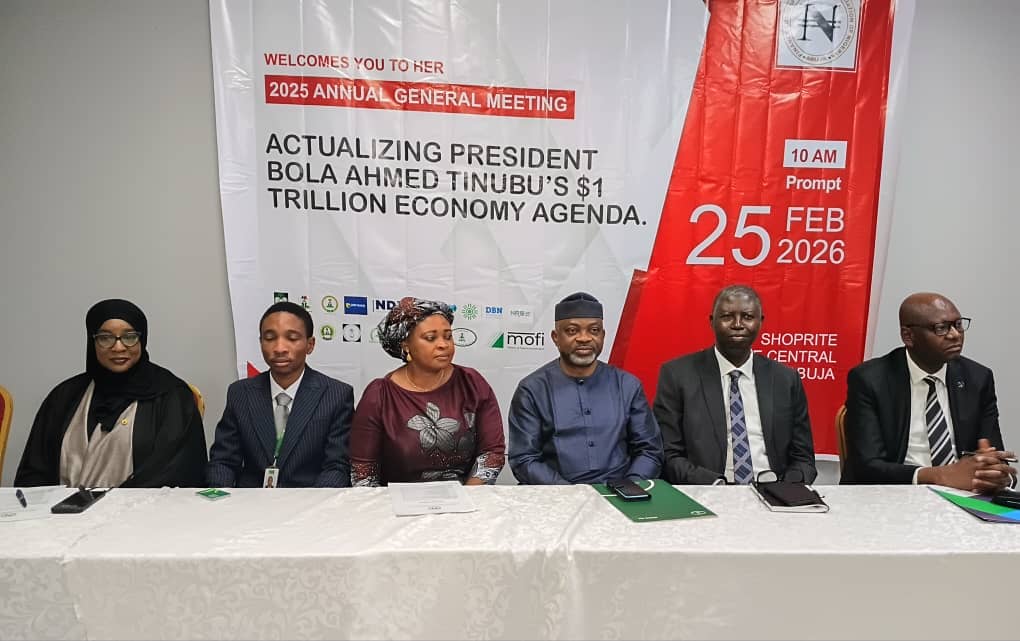
Minister of State for Finance, Doris Uzoka-Anite, made the disclosure in Abuja at the 2026 Finance Correspondents Association of Nigeria (FICAN) Annual General Meeting where she revealed that achieving this milestone will require the nation to maintain a sustained GDP growth rate of between 10% and 12% annually over the next decade.
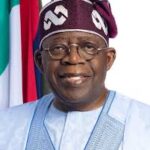
It was themed “Actualising President Bola Ahmed Tinubu’s $1 Trillion Economy Agenda: Reforms As A Foundation to Nigeria’s Economic Transformation.”
The Minister’s keynote address was presented by Uloma Amadi, Assistant Director, Media and Public Relations at the ministry, noted that while the current GDP stands at approximately $275 billion, the administration is committed to the “ambitious targets that move nations.”
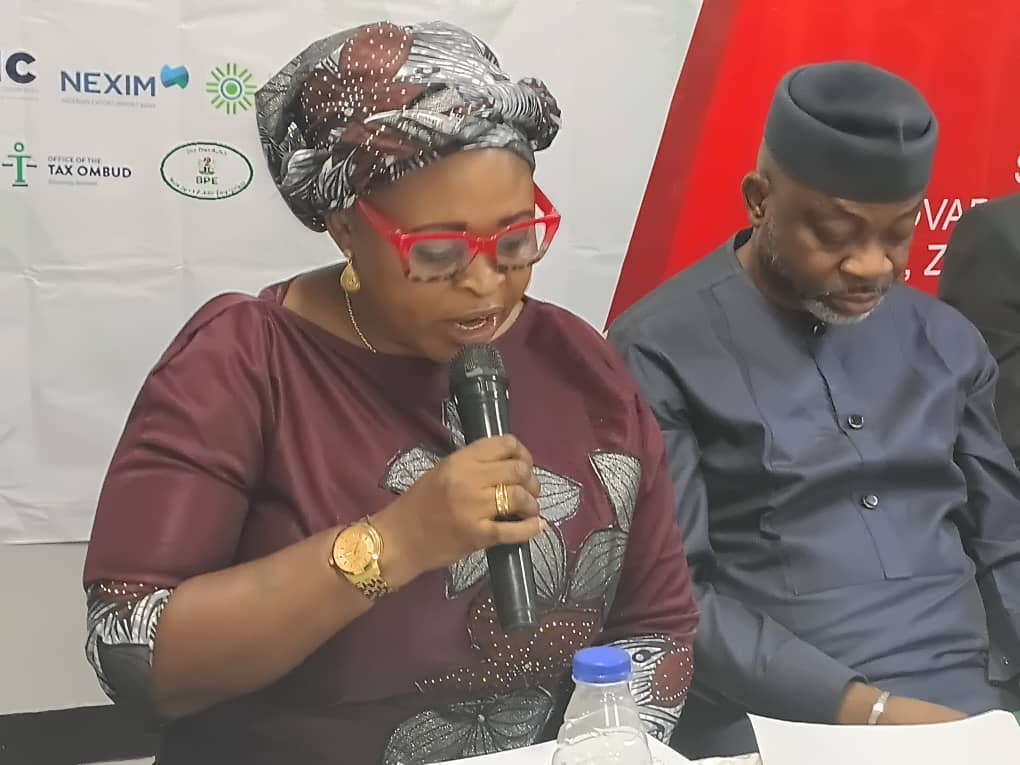
Referencing the administration’s journey since 2023 in what she described as the first wave of the administration’s fiscal reform which centered on restoring market integrity, the Minister highlighted the “politically difficult” but necessary decisions to remove the fuel subsidy—which previously consumed over $5 trillion annually—and unify the foreign exchange windows.
”Investors could not trust the signals our market was sending,” the Minister stated. “Today, those reforms are being vindicated. In January 2026, S&P Global revised Nigeria’s outlook to positive, affirming a high level of confidence in our fiscal and monetary trajectories.”
The government, she stated is currently transitioning into a “second wave” of reform known as the Disinflation and Growth Acceleration Strategy (DGAS) and the architecture of growth. A nine-pillar framework designed, designed to deliver non-inflationary growth above 7 percent by 2027.
“The pillars are concrete: capital mobilization through development finance instruments; sectoral acceleration in agriculture, energy, technology, manufacturing, and creative industries; a nationwide energy expansion program covering oil, gas, solar, hydro, and emerging fuels; digital infrastructure including broadband, AI-ready data centres, and automation; a human capital pipeline targeting over 10 million young Nigerians annually in technical and vocational programs; and an expanded Consumer Credit Platform that puts structured financing within reach of ordinary citizens for housing, education, healthcare, and goods. Each pillar has measurable targets. Each target has a performance framework attached to it.”
“One number I want to put on the table: Nigeria currently imports approximately 70 percent of the raw materials used to produce industrial goods. That means we are not controlling the long-run cost structure of our own economy. The Dangote Refinery showed what is possible when we process our own resources here rather than exporting raw inputs and buying back the finished product at a premium. Our goal under DGAS is to replicate that model across agriculture, mining, health, and manufacturing. When we do, the resulting job creation, tax revenues, and household wealth transfers will be of a different order of magnitude.”
On the international front, the minister noted with pride that Nigeria was removed from the FATF grey list last year, a recognition that the government has strengthened her anti-money laundering and counter-terrorism financing frameworks to global standards. “This matters because it directly reduces the compliance costs foreign investors face when engaging with Nigerian institutions. Capital flows more freely to countries that international regulators trust”.
“We have also submitted Nigeria’s ECOWAS Tariff Offer to the AfCFTA Secretariat, establishing zero duties on 90 percent of goods traded within the continent. A binding commitment to a market of 1.4 billion people with a combined GDP of over $3 trillion is not a gesture. It is a strategic repositioning. When global trade routes become contested, as they are today, regional corridors become the most reliable alternatives. Nigeria is deliberately placing itself at the center of that alternative”.
On the Role of the Media in communicating the policies of government, Dr Uzoka-Anite said FICAN’s work matters as the media continually builds public understanding on which policy sustainability depends.
She said “I therefore want to extend an open invitation to the leadership of FICAN and to your members: come to the Ministry. Ask the hard questions. Hold us accountable to the numbers we have put in the public domain. Rigorous financial journalism is not a threat to good governance; it is one of the conditions for it.”
She said President Tinubu’s $1 trillion economy agenda will not be built through government action alone but through the confidence of investors who trust the institutions, the productivity of entrepreneurs who can access capital and markets, the skills of young Nigerians who find opportunity rather than frustration, and the informed engagement of citizens who understand what their country is trying to do and why.
Good production costs money and you can support what we do. Please find our details below👇🏾👇🏾👇🏾 Account name: MARKET ONLINE MEDIA Bank: UBA Acc No: 1026401930.