









The National Pension Commission (PenCom) is targeting to drag around 80 million Nigerians into the pension net through the Personal Pension Plan (PPP).
Director General of PenCom Ms Omolola Oloworaran in a keynote address at the Annual Conference of the Pension Correspondents Association of Nigeria (PENCAN) reaffrmed the commitment of the commission to ensuring that every Nigerian, whether formally employed or not, has the opportunity for a secure and dignified old age. “We recognise that while the formal sector iS significant, it represents only a portion of our national workforce.”
Represented by Ibrahim Buwai, Head Corporate Communications Department of PenCom, Oloworaran said a vast majority of Nigerians earn their livelihoods in the informal sector such as artisans, traders, market men and women, freelancers, creative professionals, agricultural workers, and participants in the gig economy. For far too long, many of these individuals have had little or no access to structured pension arrangements.
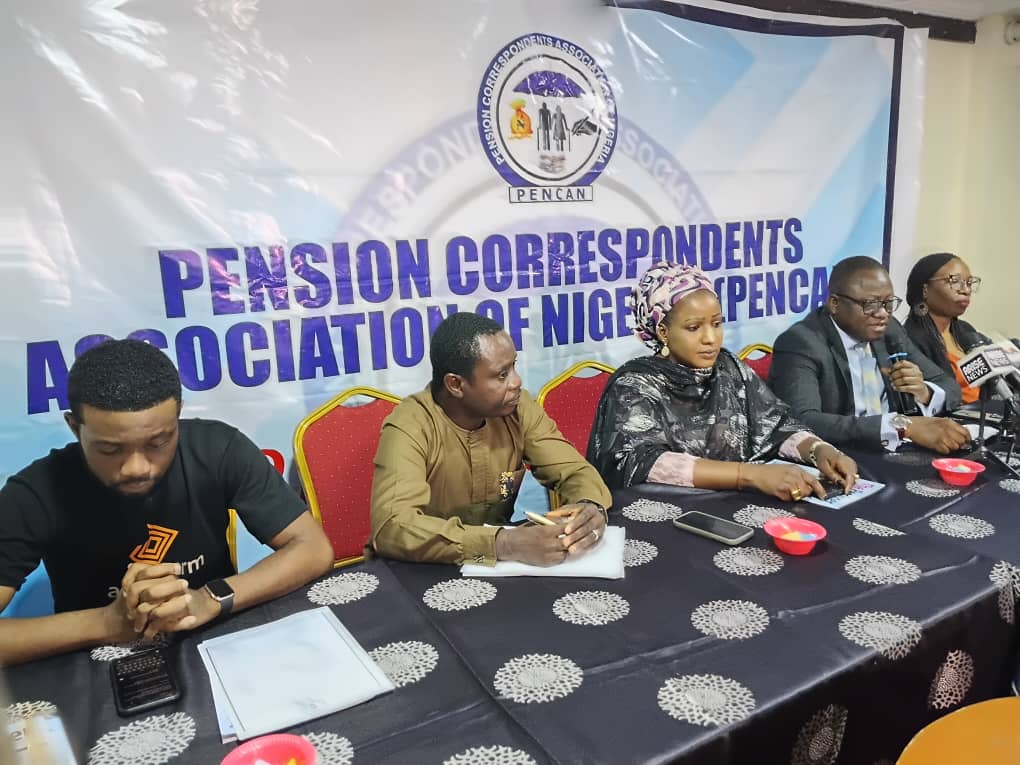
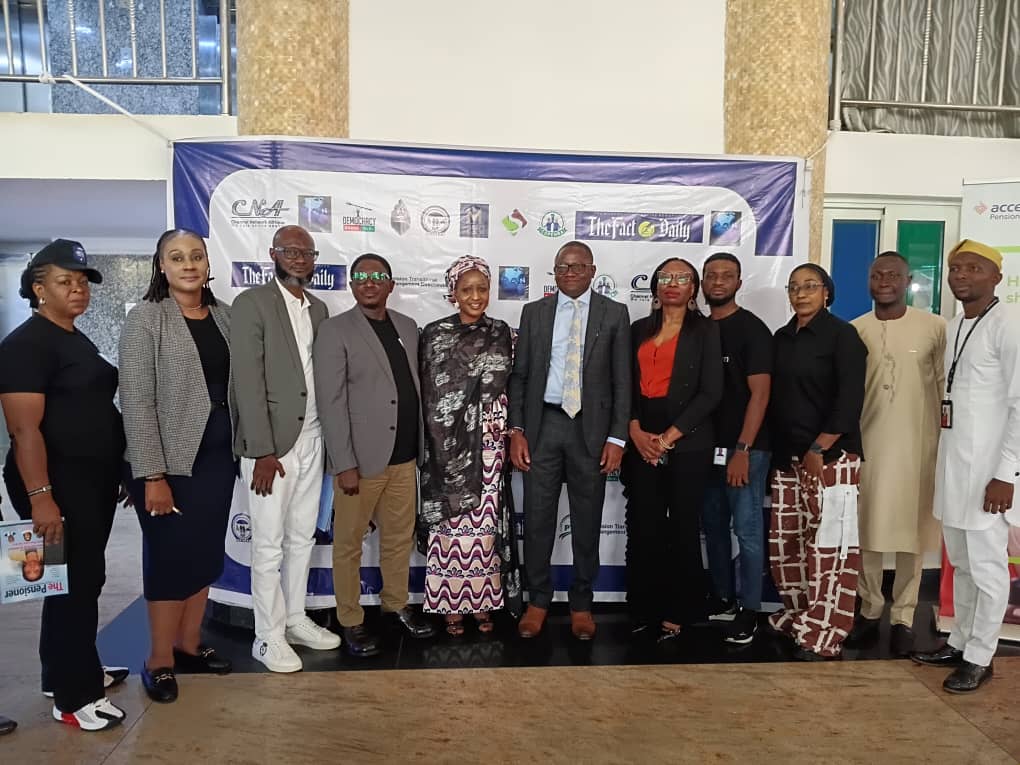
Themed Inclusion & Innovations: Bridging the Pension Gap for Nigeria’s Informal Sector, the Annual Conference of the Pension Correspondents Association of Nigeria (PENCAN) is a convergence of pension correspondents, regulators and industry players to brainstorm and chart success paths for the industry.
PenCom says it is addressing the under-covered in the private sector.
“Nigeria’s informal workforce is estimated at between 70 and 80 million people. Under- coverage in this segment means that the promise of retirement security remains a dream rather than a reality for many. The earlier Micro Pension Plan, launched in 2019, recorded modest uptake approximately 200,000 contributors and about one billion naira in assets, which is far below the scale of the challenge.”
“Consequently, PenCom re-engineered the Micro Pension Plan under a new name, the Personal Pension Plan (PPP), to deliver both inclusion and innovation.” The guidelines for the PPP were released as part of the recently launched Pension Revolution to include inclusive eligibility, flexible contributions and access, innovative products and delivery, digitized administration and transparency as well as investment strategy and growth.
For many in the informal sector, pension participation has been hindered by limited awareness, cumbersome registration processes, irregular income patterns, and the misconception that pensions are reserved for formal-sector workers she observed, adding that the PPP was designed to overcome these challenges through its flexible, technology-driven framework.
“With this approach, we anticipate a significant increase in pension coverage among informal-sector workers: greater financial inclusion, as they convert irregular earnings into long-term savings; the mobilisation of domestic capital for national development;, and, most importantly, improved retirement security for millions of Nigerians who previously lacked access to a structured pension system.”
In her submission, the Acting Chief Executive Officer, CEO of the Pension Operators Association of Nigeria PenOp, Ms. Anthony Ifeanyi-Okoro urged Nigerians to see pension matters as more than financial vehicles but rather, social contracts that translate decades of labour into dignity, security, and independence in later life. “A mature, inclusive pension system is a credit to any modern society. It reduces old age poverty, stabilizes household finances, and strengthens national resilience.”
“The introduction of Nigeria’s Contributory Pension Scheme (CPS) through the Pension Reform Act of 2004 and the current 2014 amended act, marked a landmark reform, and introduced mandatory contribution arrangements for formal sector workers. It established Pension Fund Administrators (PFAs), Pension Fund Custodians (PFCs), the National Pension Commission (PenCom), and moved Nigeria’s pension system, to a fully funded and portable scheme. This strengthened governance and oversight and was a turning point for us as a nation.”
“Before 2004, Nigeria operated a Defined Benefit (DB), ‘’pay-as-you-go’’ system where retiree benefits were funded by active workers and government allocations. A model that became fiscally unsustainable – and collapsed under the weight of poor governance and mounting arrears.”
“The Contributory Pension Scheme (CPS) replaced this, with a funded, privately managed, and transparent model, anchored on individual capitalisation. Where each worker’s savings is protected, owned by them, and accumulated through regular contributions made over time.”
“Since its inception, the Contributory Pension Scheme (CPS) has continued to see important improvements in governance, transparency, and growth of pension assets, providing further benefits and support for the Nigerian economy. However, despite these gains, a persistent and significant gap remains for large segments of Nigeria’s workforce (the informal sector): microentrepreneurs, gig workers, traders, farmers, artisans — remain outside formal pension coverage.”
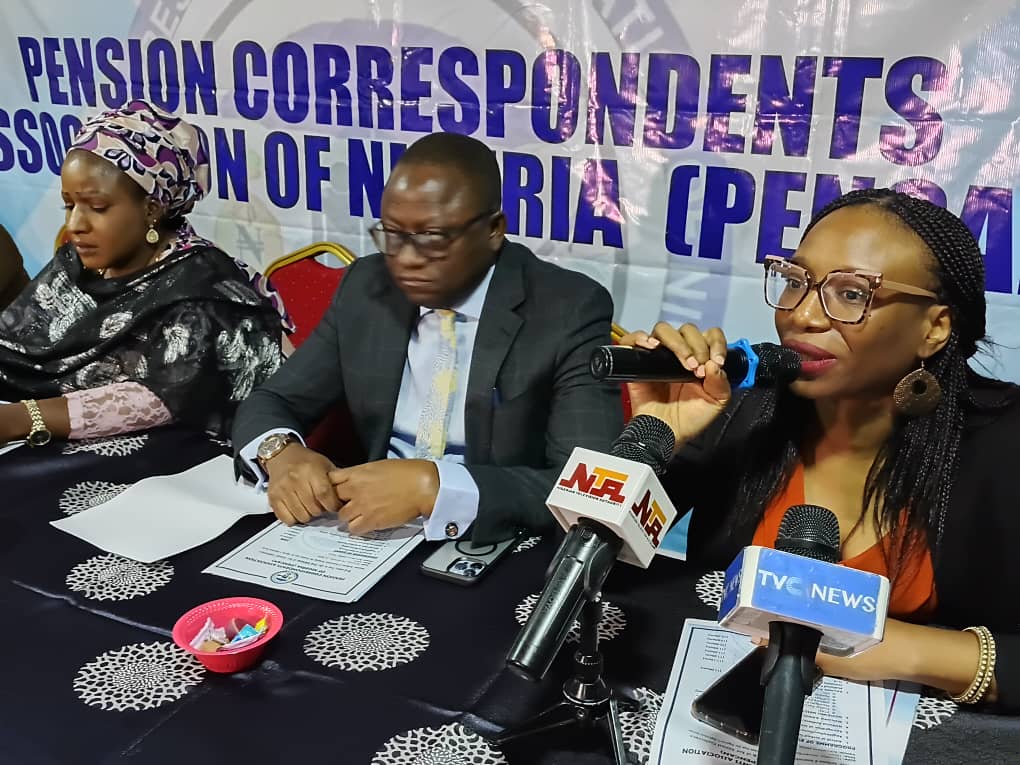
She said for Nigeria to capture the full social and economic benefits of pensions, coverage must expand beyond formal employment and be accessible, affordable, and relevant to people working in its informal sector.
“This is why the Personal Pension Plan (PPP) matters, and the recent launch of the Personal Pension Plan (PPP) provides a practical pathway to that inclusion.
The Personal Pension Plan (PPP) is not a theoretical construct; it is a practical pathway to extend retirement security to the informal sector. It is designed for flexibility — allowing lower minimum contributions, graduated entry points, and portability — so that those with irregular incomes can still accumulate retirement savings over time. It simplifies onboarding and supports digital contribution channels. By design, it offers flexibility of contribution, simplified registration, recordkeeping, benefits and options that match varied cashflow realities.
Supported by consumer education, efficient technology, and trusted distribution partners—it will turn millions of informal workers from pension outsiders into pension participants.”
“Therefore, extending pension coverage through the Personal Pension Plan (PPP) is not merely a policy task; it is an investment in Nigeria’s social and economic future. With pragmatic product design, and stakeholder collaboration, we can bring millions into retirement security.”
Nana Musa, President of PENCAN in her welcome address commended the National Pension Commission (PenCom) and all pension operators for ongoing reforms and initiatives aimed at expanding coverage under the Personal Pension Plan (PPP), formal called the Micro Pension Plan but observed that much still remains to be done — especially in the areas of awareness creation, trust building, technology-driven enrollment, and policy incentives that can encourage informal workers to join and stay within the system.
Musa said this year’s theme, “Inclusion and Innovation: Bridging the Pension Gap for Nigeria’s Informal Sector,” could not have come at a more critical time. Nigeria’s informal sector represents over 80 percent of our workforce — hardworking men and women who contribute immensely to national productivity but remain largely excluded from formal social protection mechanisms, including pensions.
“As journalists dedicated to deepening public understanding of pension matters, we believe that closing this gap is central to achieving sustainable social security, reducing poverty, and promoting inclusive growth.”
“Today’s conference provides a platform for robust engagement between regulators, operators, policymakers, labour unions, and the media — to explore innovative models and strategies that can make pension participation more accessible, affordable, and attractive to the informal sector.”
The president stressed that the mission of PENCAN goes beyond news reporting as the association views itself as a partner in national development — using multiple platforms to amplify the voices of stakeholders, highlight progress, and hold institutions accountable in the collective quest for a secure retirement for every Nigerian worker.
Good production costs money and you can support what we do. Please find our details below👇🏾👇🏾👇🏾 Account name: MARKET ONLINE MEDIA Bank: UBA Acc No: 1026401930.